
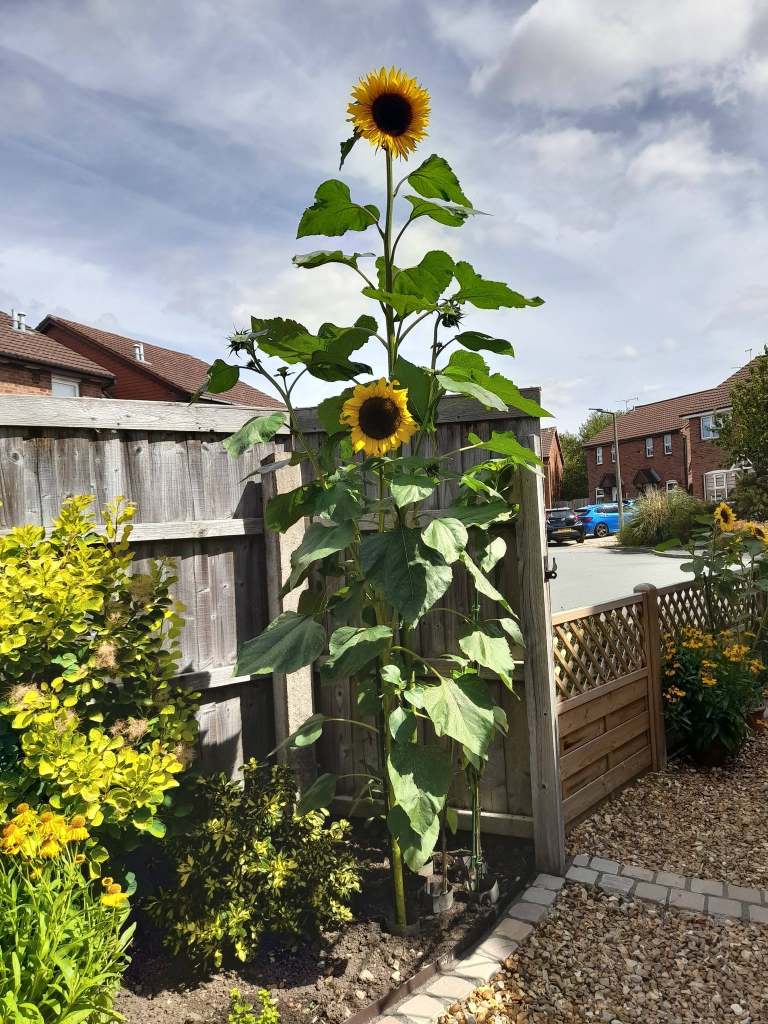
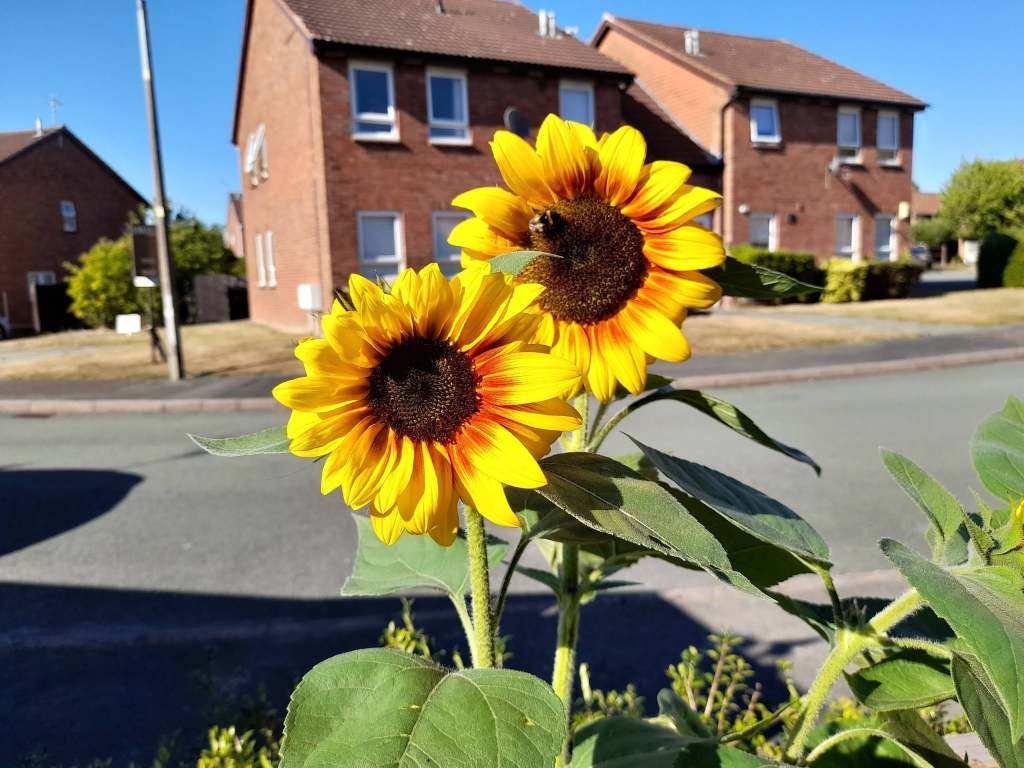
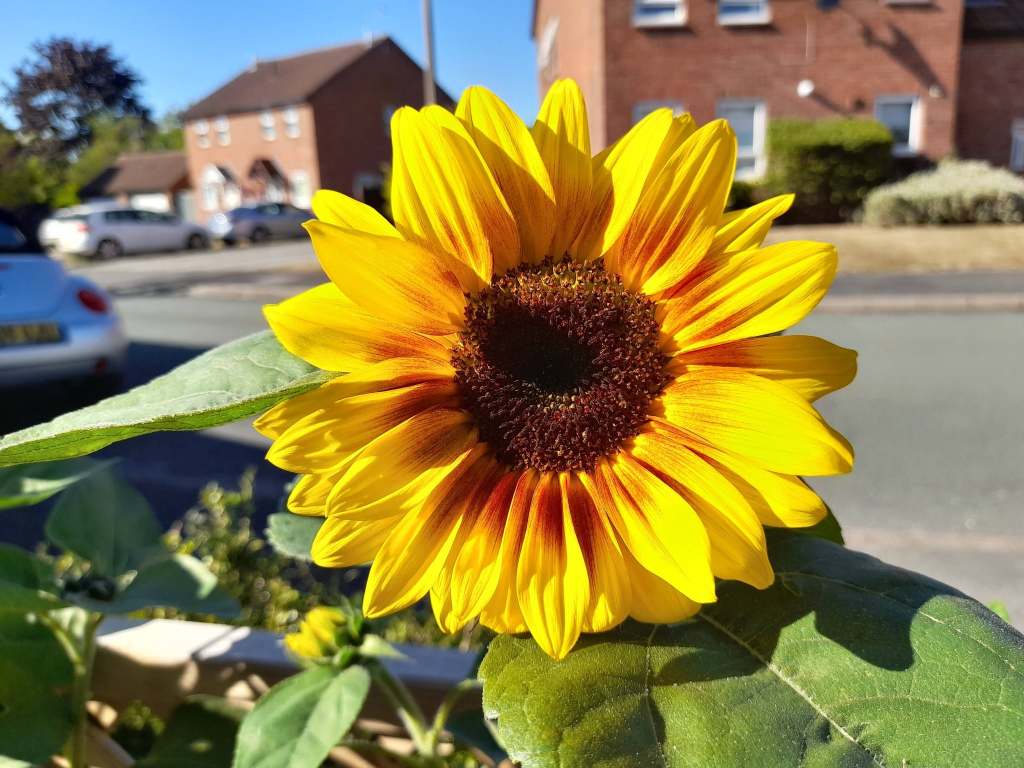
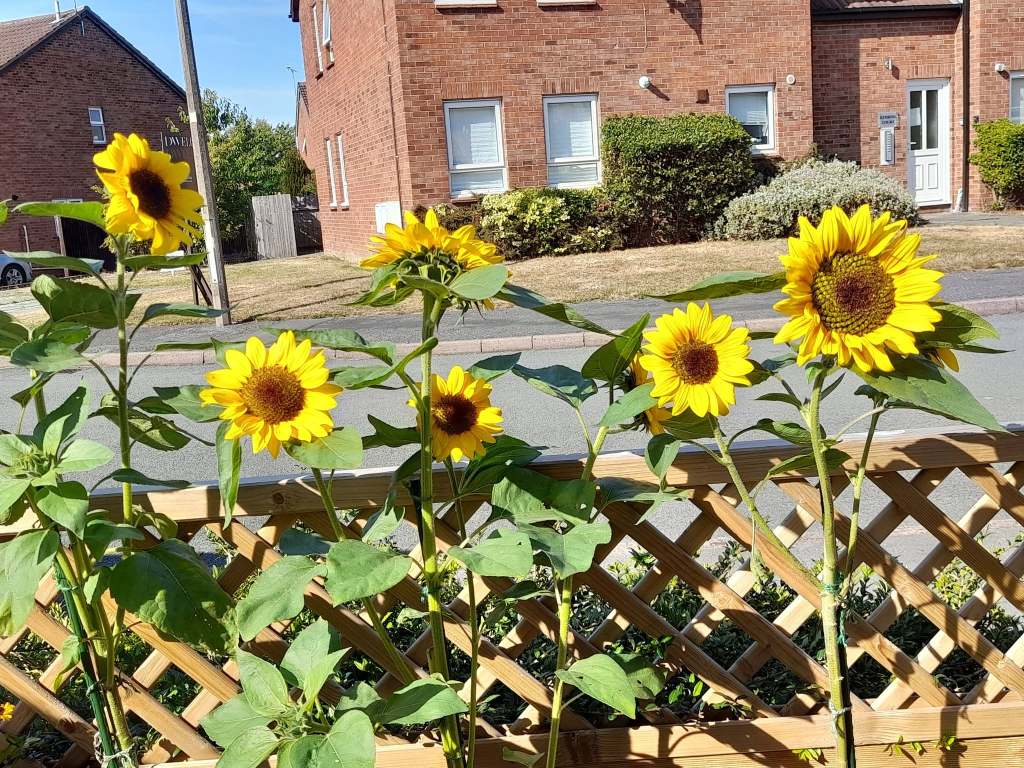
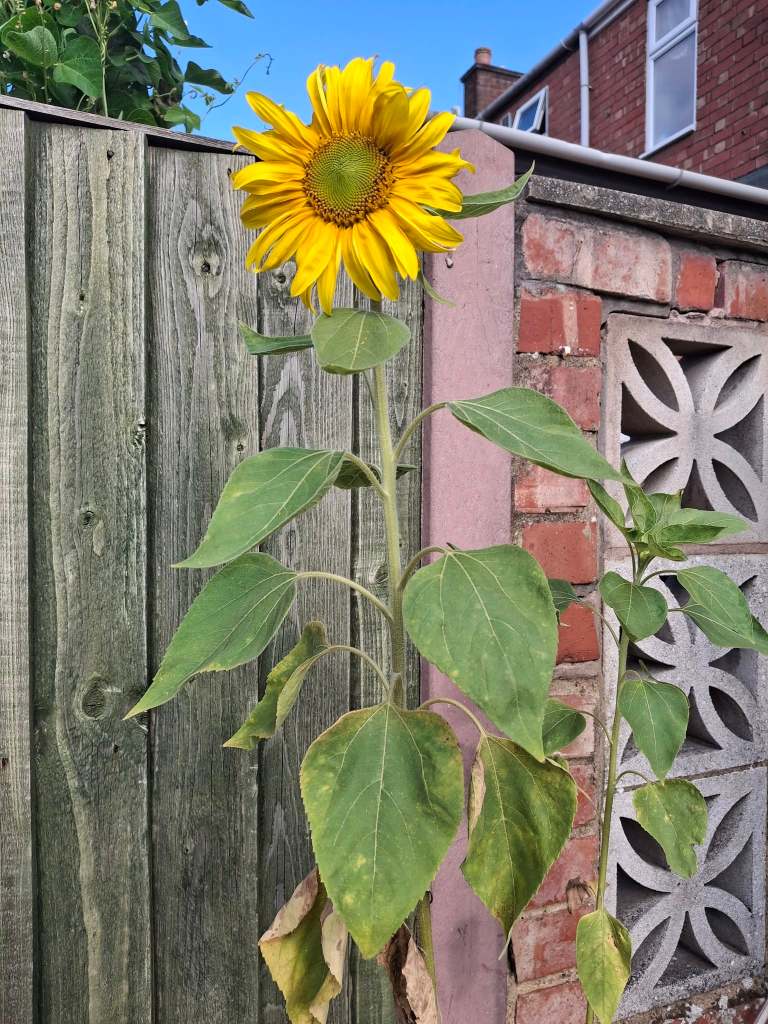
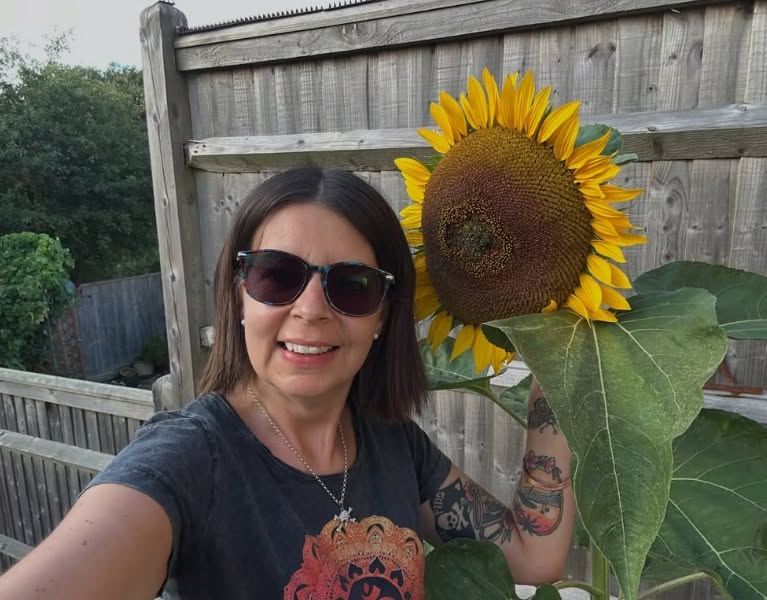
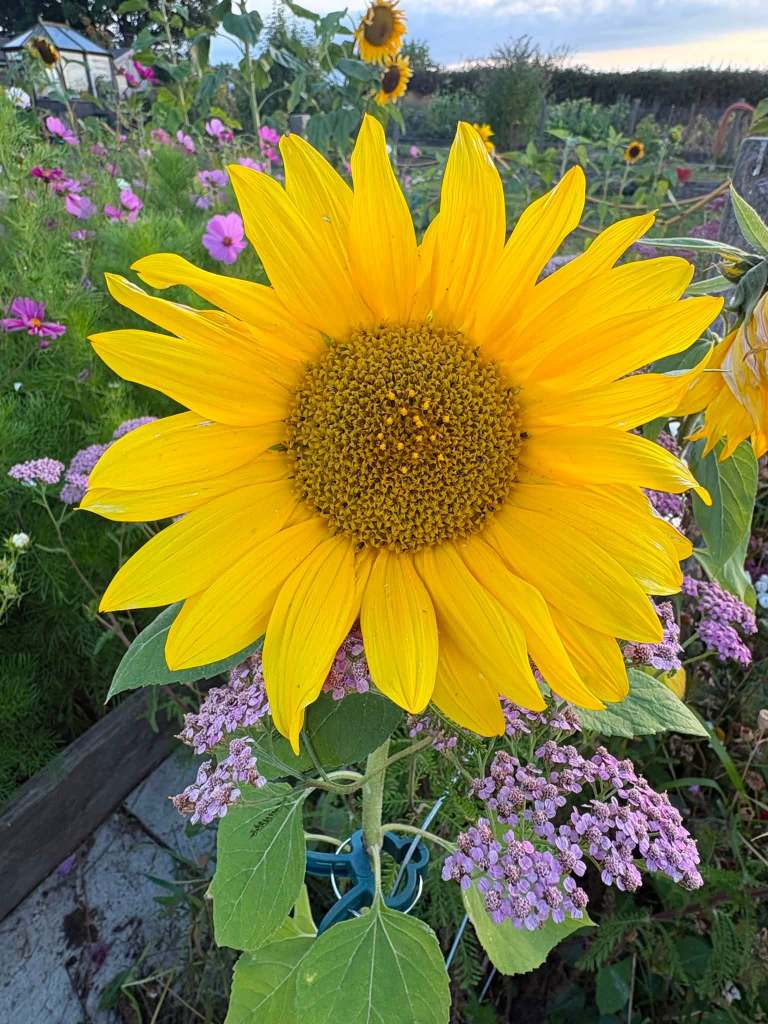
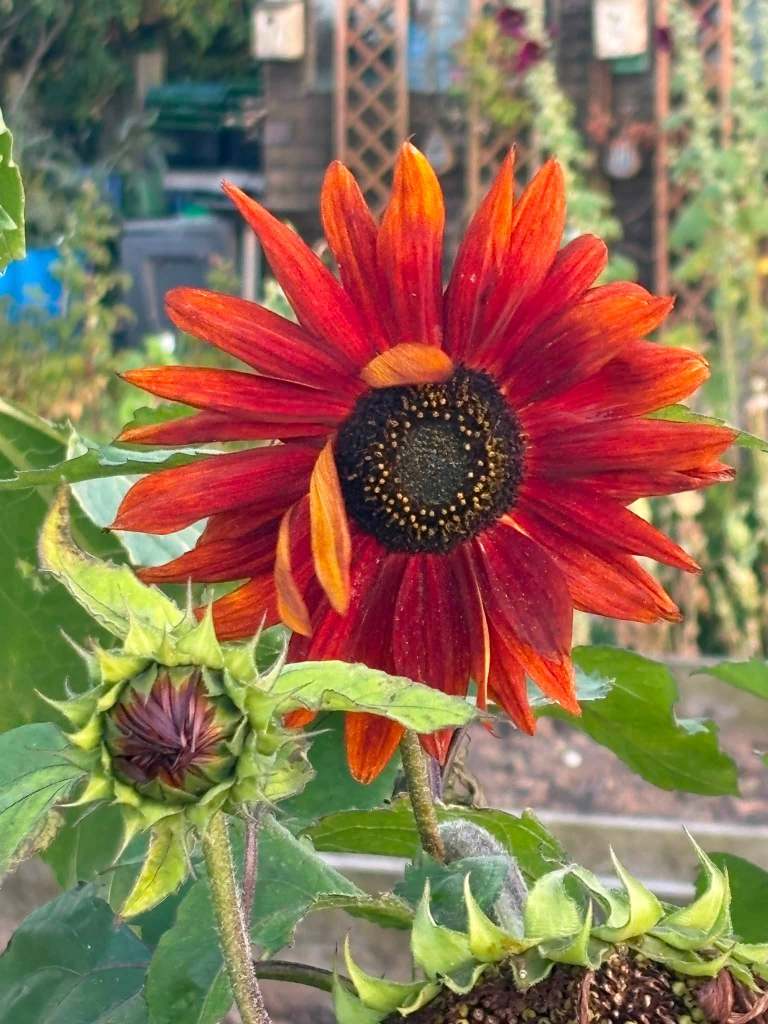
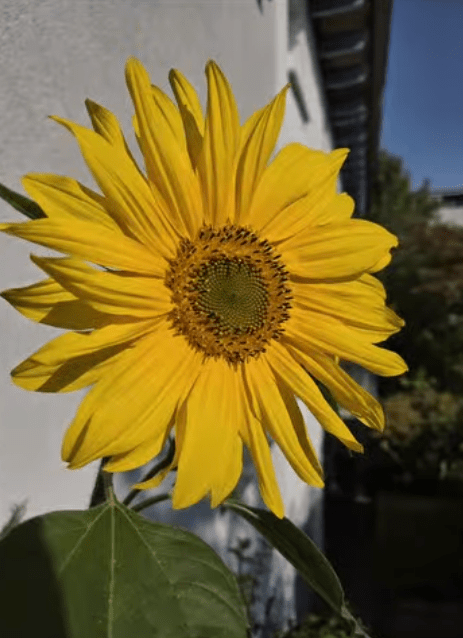
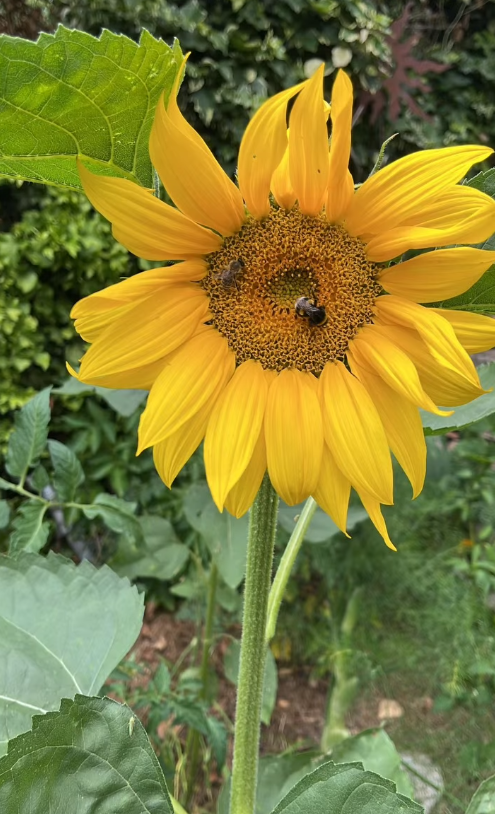
2026 was the sixteenth year of The Big Sunflower Project and the UK faced its hottest summer on record with much of the country experiencing drought and heatwaves. My sunflowers loved the hot weather — my first sunflower bloomed in July and I still had sunflowers in late October.
About the project
The Big Sunflower Project was established in 2011 to raise awareness of the rare inherited neuromuscular conditions known as centronuclear and myotubular myopathy (CNM and MTM). The conditions manifest themselves as defects in the cell structure of voluntary muscles, causing low muscle tone and affecting children and adults at various stages of life. The project raises awareness by asking people to grow a sunflower and share their photos and stories online.
Share your photos
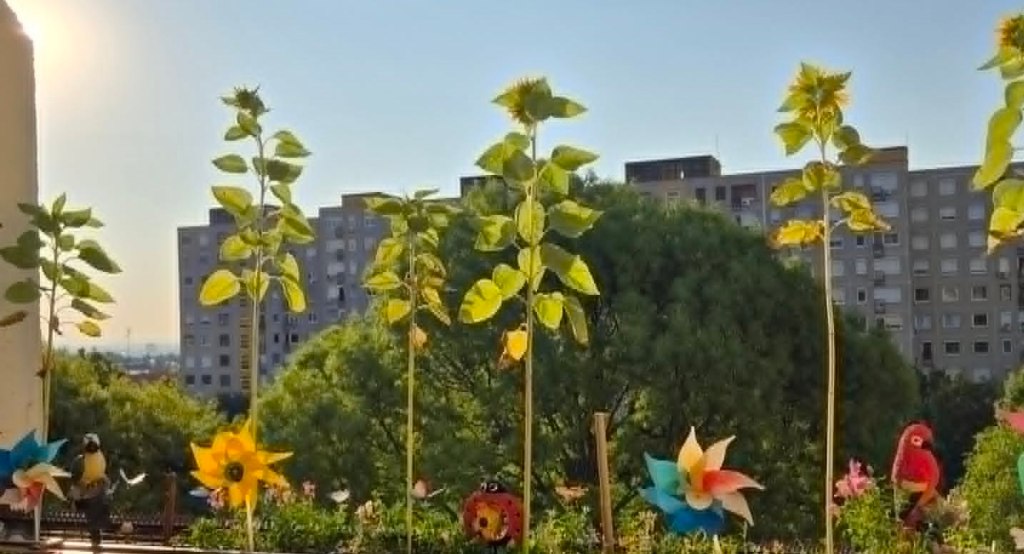
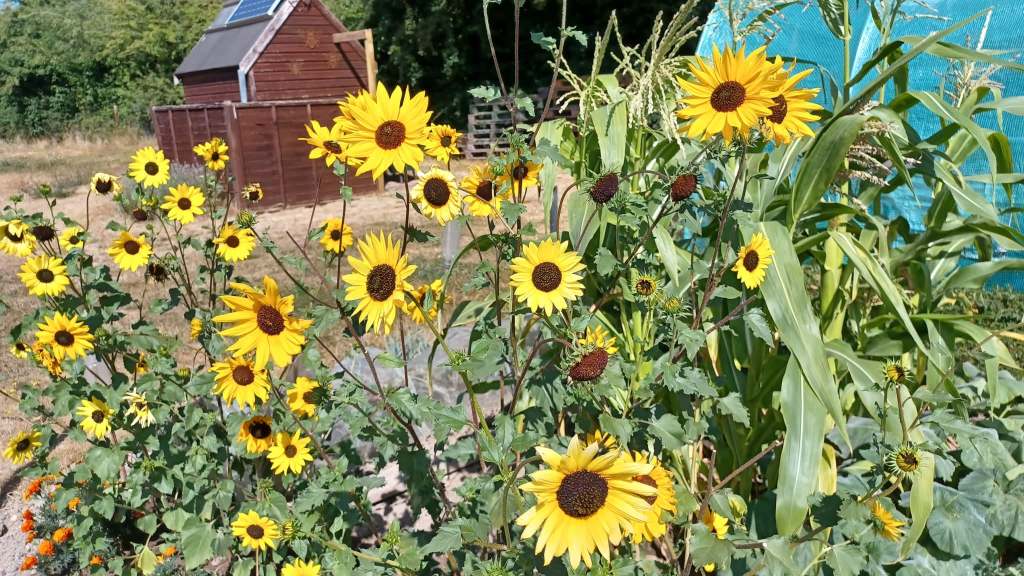
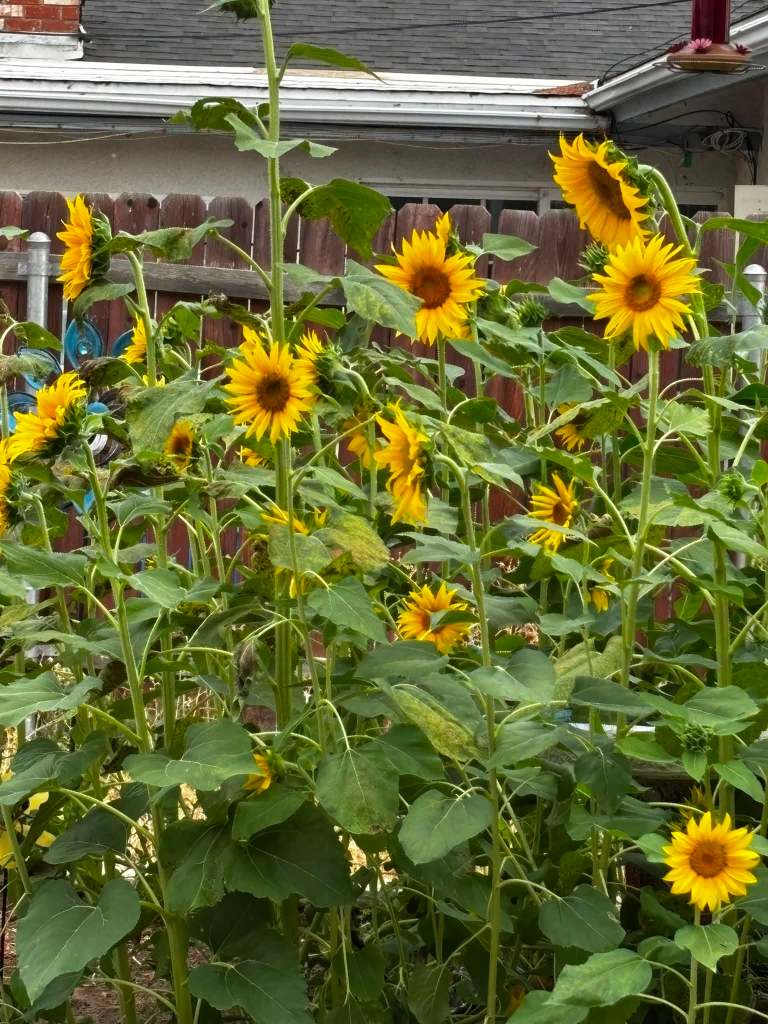
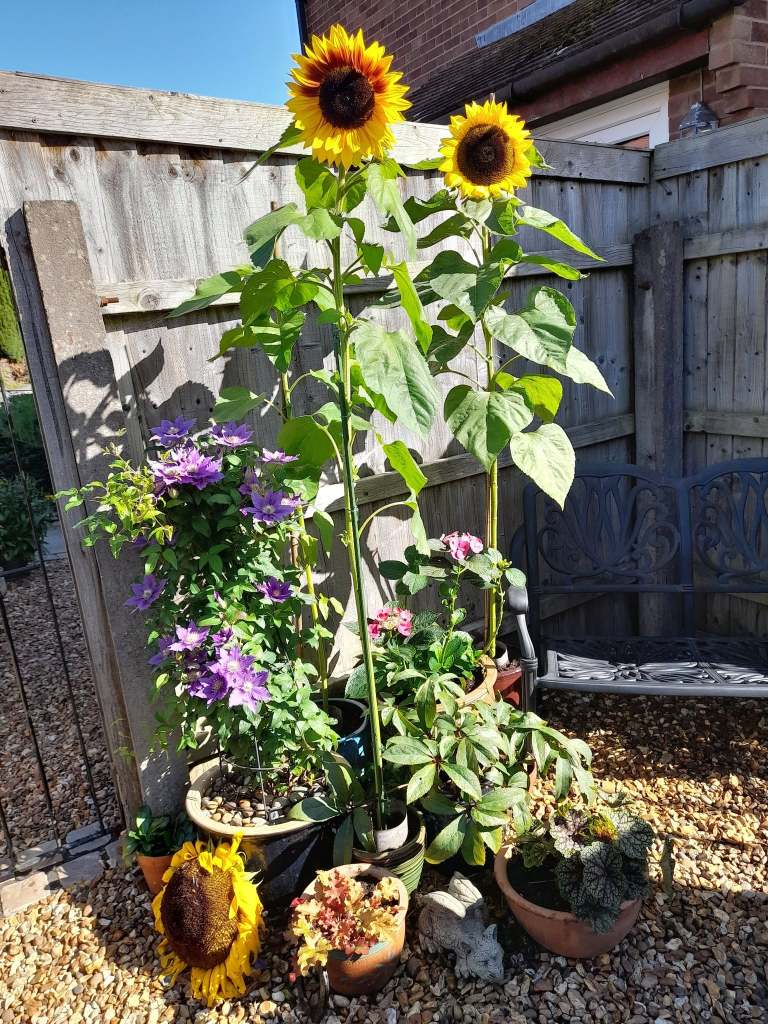
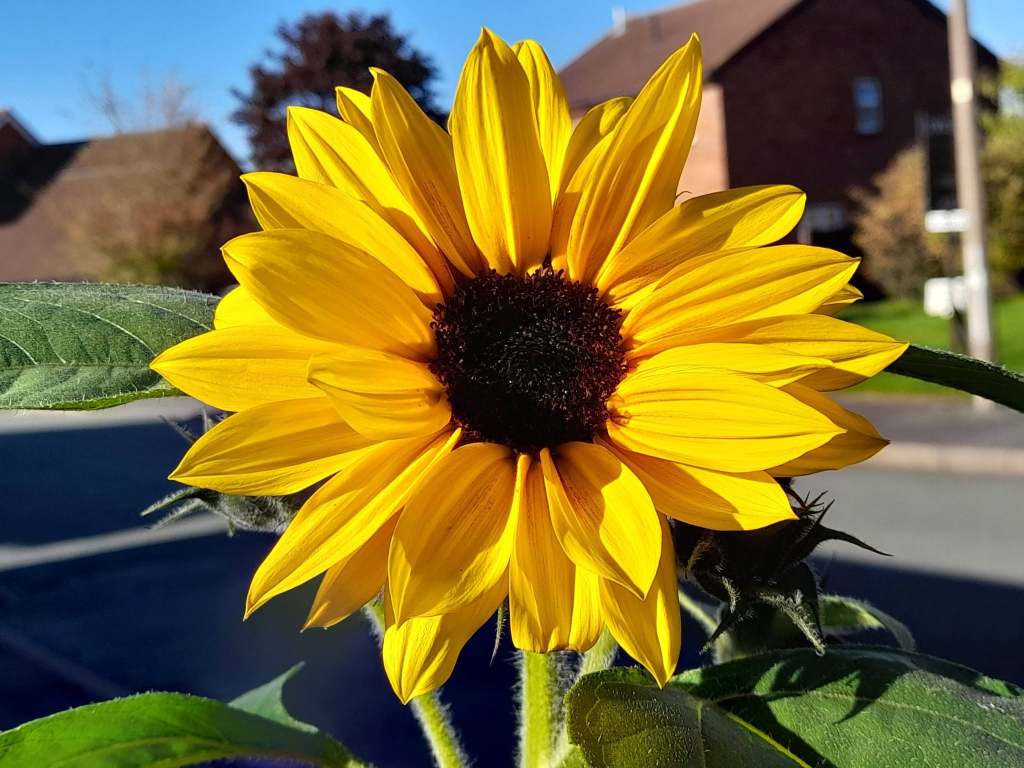
If you grew sunflowers and shared your photos this year — thank you. A selection of the photos received can be found in this end of year report. If you have not yet shared your photos it is not too late. Photos can be sent by email or shared on Facebook, Twitter, Instagram and LinkedIn using #TheBigSunflowerProject.
Share a story
Sharing stories about the people who grow sunflowers with The Big Sunflower Project helps raise awareness of centronuclear and myotubular myopathy and evidences the impact of the project. If you have grown sunflowers with the project this year and would be willing to share your story, please get in touch. You can read stories from previous projects below.
Encourage others to join in
Could you encourage others to join in? Maybe you could invite friends, family or work colleagues to grow sunflowers with you in 2027. You can also display signs at the place where you grow yours sunflowers such as those displayed in the resources area of this website and share project social media posts to help reach as many people as possible.
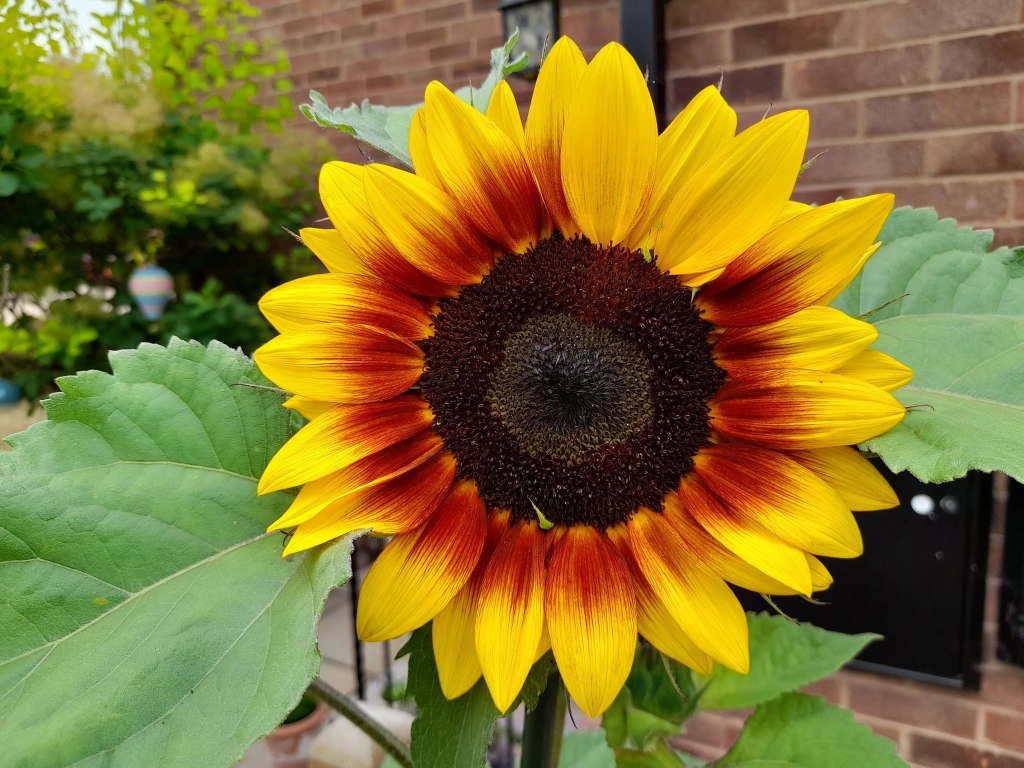
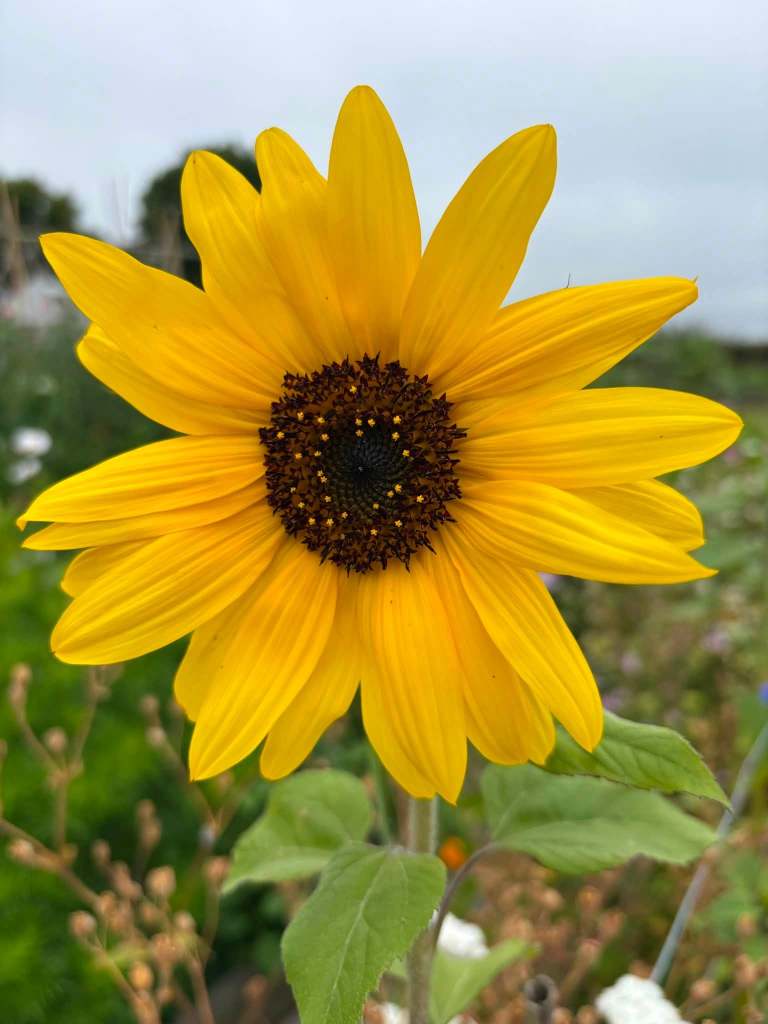
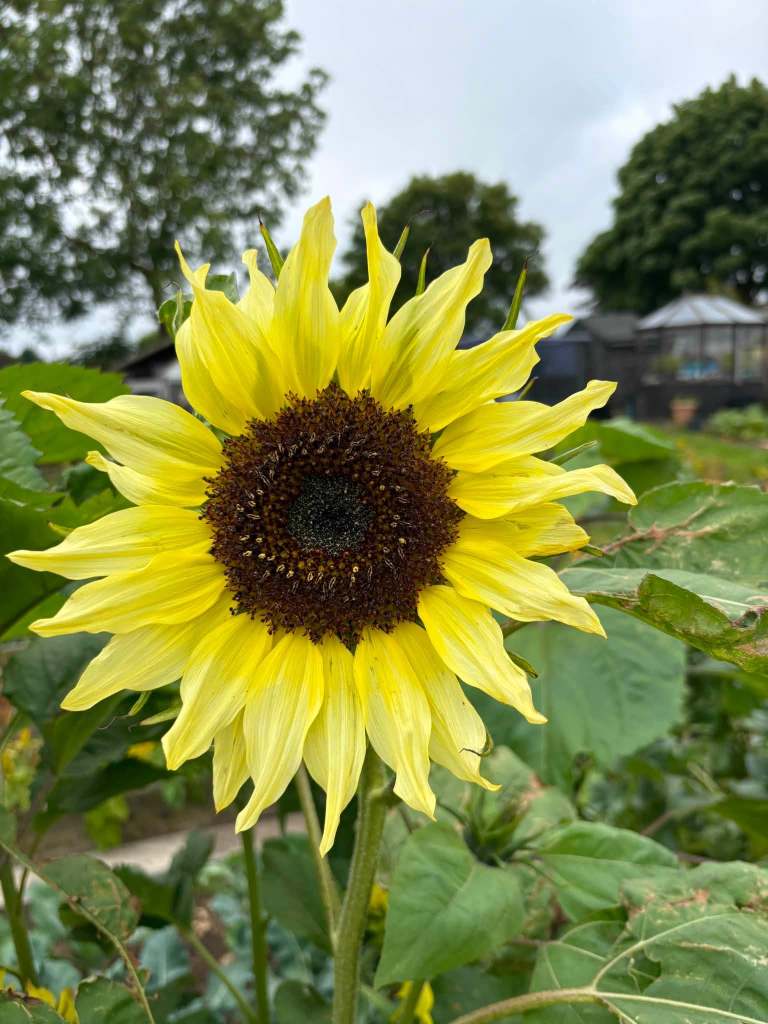
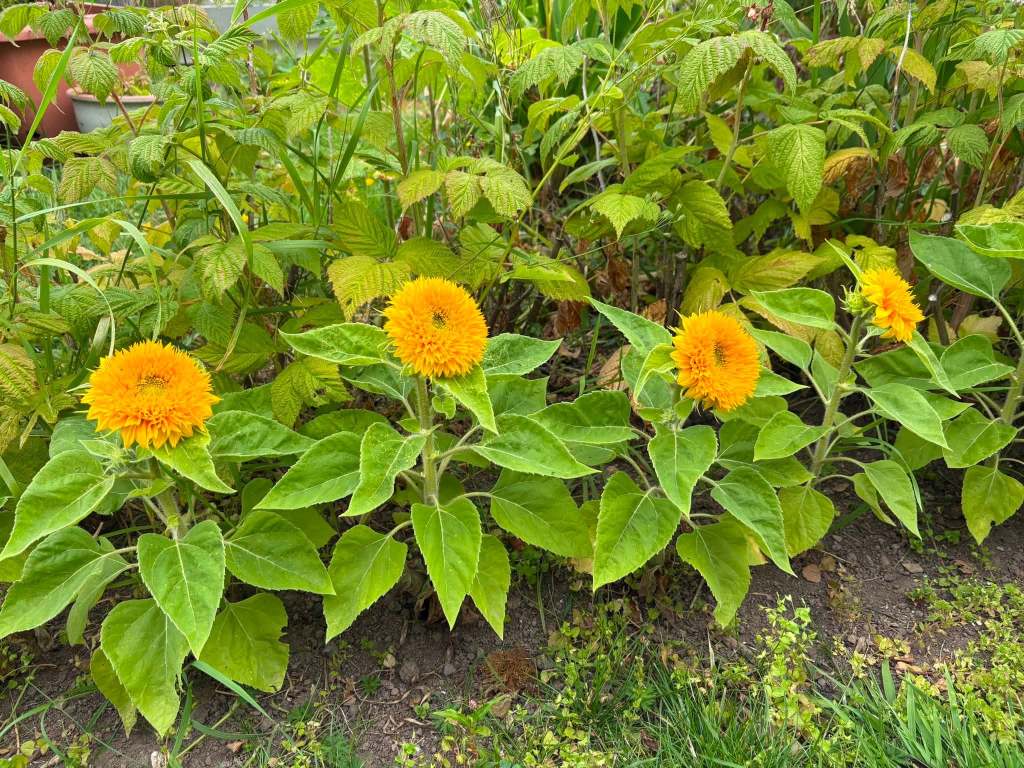
Harvesting sunflower seeds
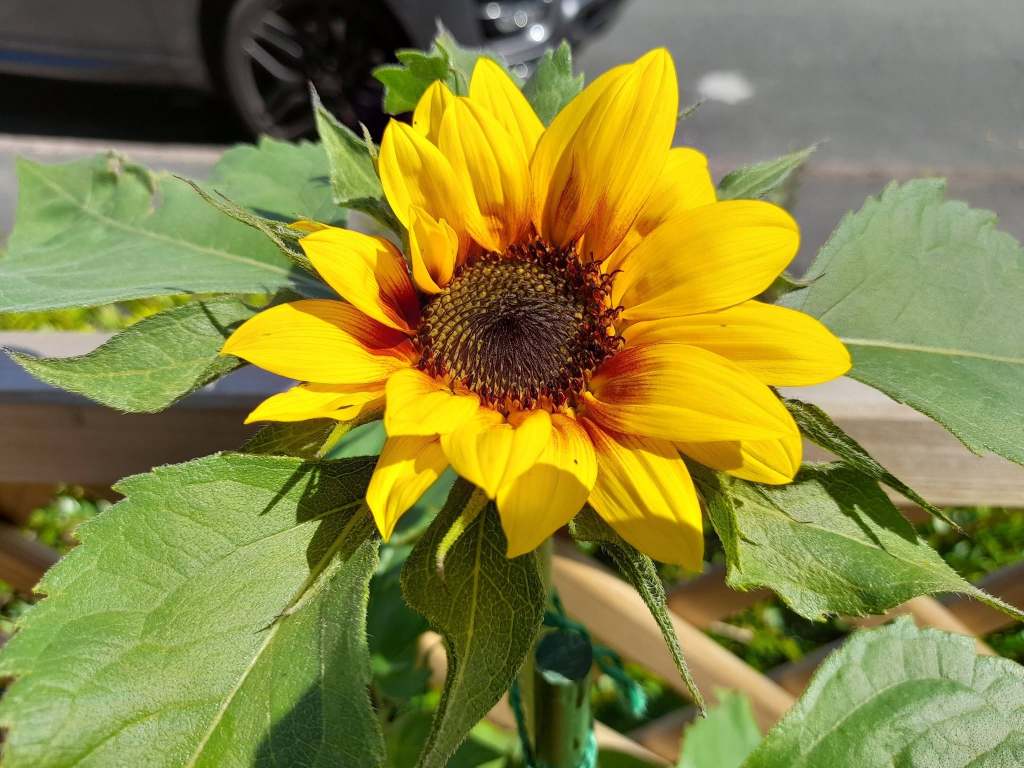
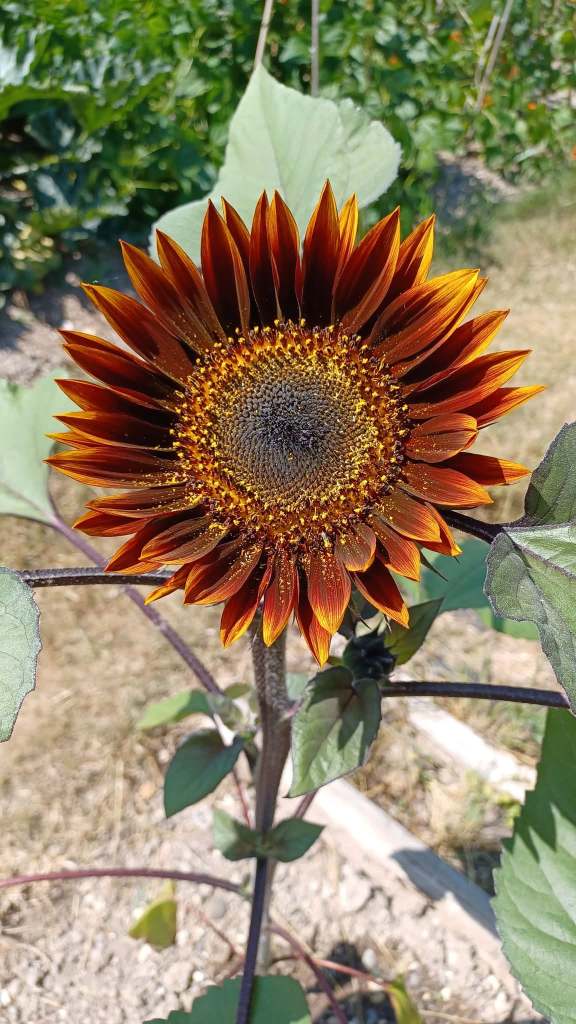
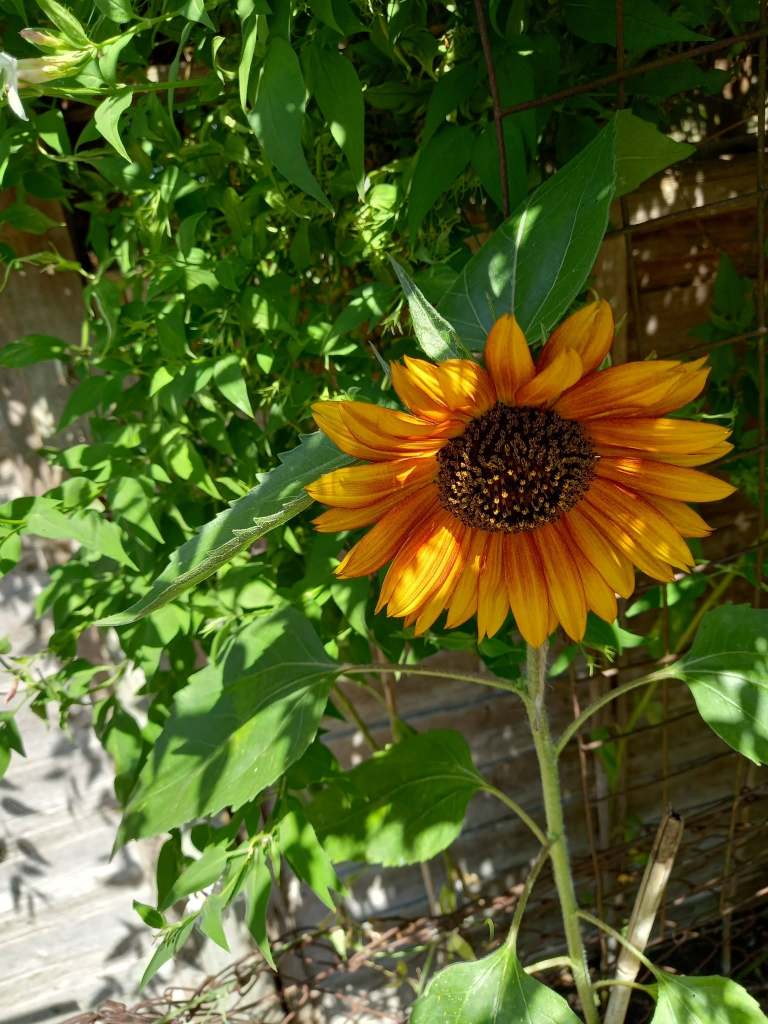
After a sunflower has flowered, its seeds can be harvested for planting again the following year. A single seed planted in the spring can produce many seeds in the autumn and these can be extracted from the seed head once a sunflower has dried out.
If you have sunflowers that are now past their best, you can save the seeds for growing next summer or as food for wildlife over the winter. Firstly chop off the flower head and brush away the pollen, under which you will find your sunflower seeds, then leave the flower head to dry. You can learn more about harvesting sunflower seeds on the project website.
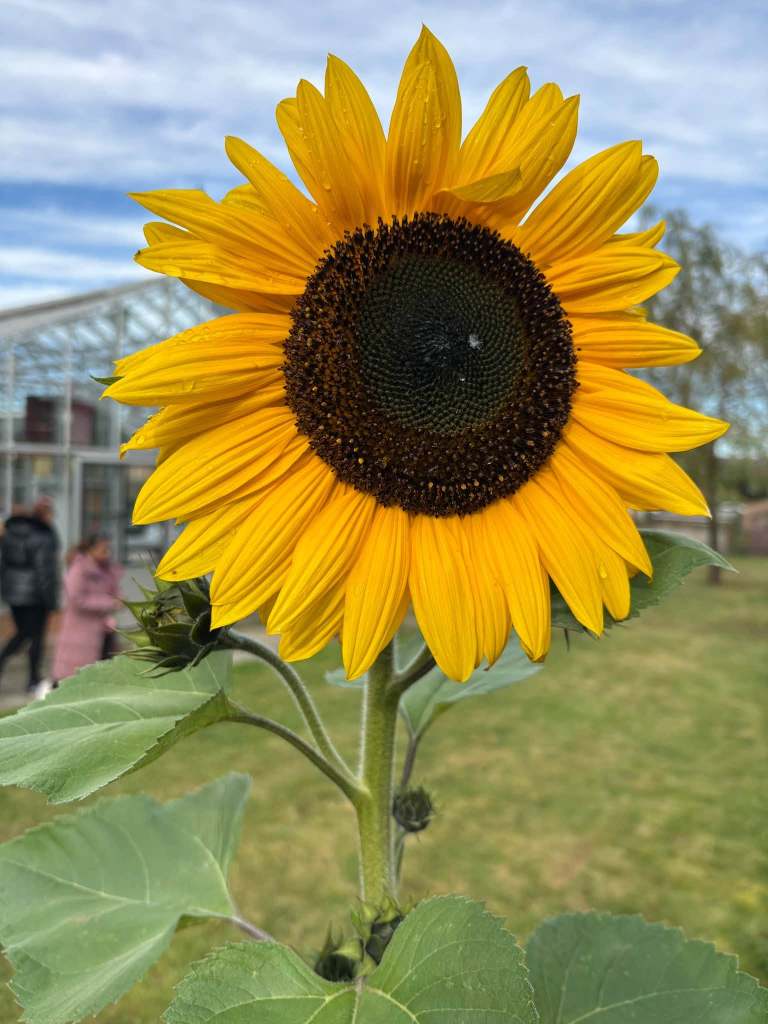
Although the project is now at end for this year in the UK, if you are in a part of the world that is about to get its summer, please consider buying a packet of seeds and growing a sunflower to raise awareness of centronuclear and myotubular myopathy.
To everyone who has taken part in the project this year, a massive thank you. I look forward to growing sunflowers with you again in 2027. If you think you could grow a sunflower to raise awareness of centronuclear and myotubular myopathy, taking part is easy.
1. Buy a packet of sunflower seeds.
2. Plant a seed in a sunny spot, water regularly and watch it grow.
3. Take a photo of your sunflower and share on social media using #TheBigSunflowerProject.
Further information
Further information about the project can be found on the project website and on the project social media pages.







You must be logged in to post a comment.